The dial gives a watch an identity of its own. Serving as the “face” of the watch, the dial not only displays indications of time, it’s also an opportunity to give the watch a unique aesthetic.
Rolex has mastered all aspects of watch creation in-house, and that includes using rare and fine materials, that makes a Rolex truly unique. Take your pick from these prime examples: br br
br
Meteorite
Here’s a material that’s truly out of this world – the meteorite. Rolex uses the famed Gibeon meteorites, named after the Namibian town where meteorites fell during prehistoric times. Gibeon meteorites are now protected by Namibian laws and can no longer be harvested, making these even more precious. SEE MORE >
br
br
Mother of Pearl
Mother-of-pearl is the iridescent lining you can find within a shell. Rolex uses the material frequently in its watches, and in varying colors such as black, white, pink, and yellow tones – colors that are 100% natural. The unique patterns and iridescence of these materials mean no dials are ever the same. SEE MORE >
br
br
Onyx
Rolex also uses the elegant, smooth textured onyx stone in its dials. It is part of the quartz mineral group and is a layered stone, and can range from white to black. When featured in Rolex dials, these are often spotless, which create a nice contrast against gold and steel. SEE MORE >
br
br
br
Sodalite
Sodalite is a rich, royal blue material used as an ornamental gemstone. Different shades of blue will often be present in a single gemstone and is invariably veined with markings – making each sodalite dial different from one another. SEE MORE >
br
br
Coral
In the Rolex Datejust and Day-Date collection is a special group that feature semi-precious stone dials. Among these dials is the vibrant coral stone. Their distinguishing characteristic – durable and intensely colored red or pink-orange color, which makes for an eye-catching dial. SEE MORE >
br
br
Tiger Eye
Tiger eye, also called tiger’s eye, is a metamorphic rock with a golden to red-brown color and silky, lustrous banding. The rich shades are a perfect match for the warm, 18k yellow gold Rolex Oyster case. SEE MORE >
br
br
Lapis Lazuli
Lapis lazuli, or lapis for short, is a deep blue metamorphic rock that is prized for its intense color. It is one of the most sought after stones for jewelry making, particularly because its blue hue is a symbol for royalty. SEE MORE >
br
br
br
Wood
Using wood for the watch dials began in the 1950s, which was a period of experimentation for art. Not to be outdone, Rolex featured many traditional collections with heavily grained dials – such as the Rolex President Day-Date and the Cellini, featuring burled mahogany wood. SEE MORE >
br
br
Malachite
Malachite is a green copper mineral, known for its vibrant green color and agate-like banding that shows different shades of green. Its green color that does not fade over time or when exposed to light, making it a preferred material for jewelry making. SEE MORE >
br
br
Marble
Rolex has also used hard marble stone for its dials. Creating this dial is particularly challenging because of the material’s delicate nature, which has to be drilled in order to fit the dial’s metal elements. SEE MORE >
br
br
br
Bloodstone
Bloodstone is a combination of chalcedony and jasper. Chalcedony gives it its mostly deep green color, while jasper gives it its red color specks. Bloodstone can also be found in many saturated specks of color – from yellow to warm grey to deep brown. SEE MORE >
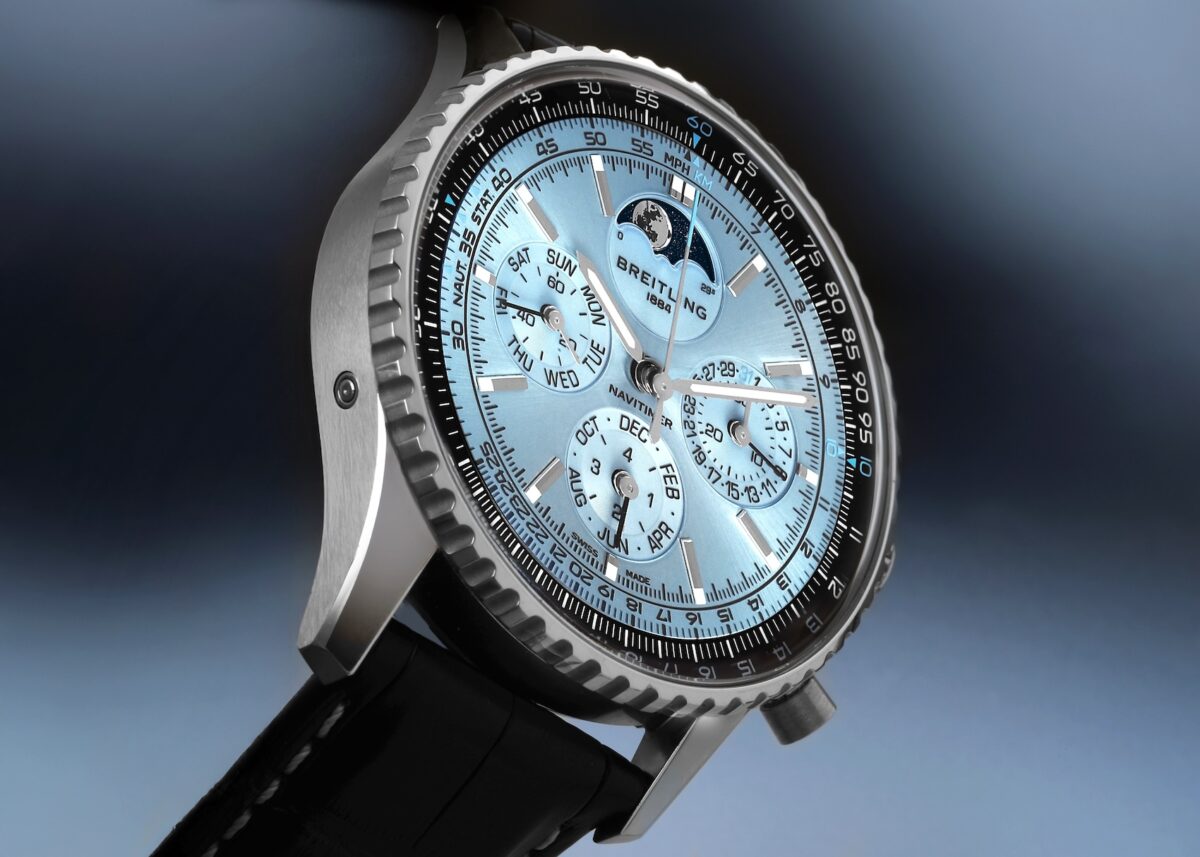
To the untrained eye across a crowded room, it looks like stainless steel. The cool, icy blue dial is striking, certainly, but the metal housing doesn’t shout for attention. That is exactly the point. But pick up the Breitling Navitimer B19 Perpetual Calendar, and the physical reality hits you immediately. This is solid platinum. The…
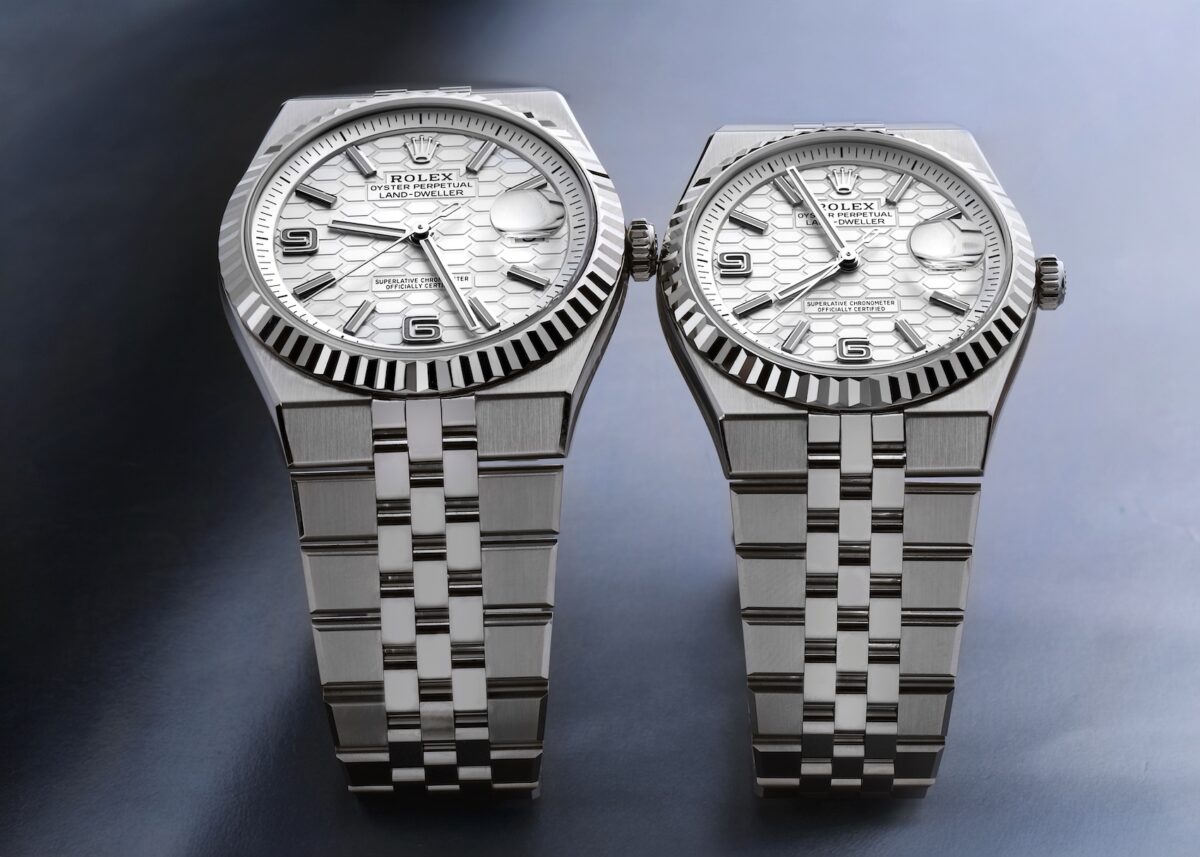
When Rolex unveiled the Oyster Perpetual Land-Dweller, it shifted the conversation from conquering the extremes to mastering everyday elegance, paying a striking homage to the classic Oysterquartz models of the 1970s. Now that we have the collection in hand, the most common question we hear from collectors isn’t just about the groundbreaking movement—it’s about the…
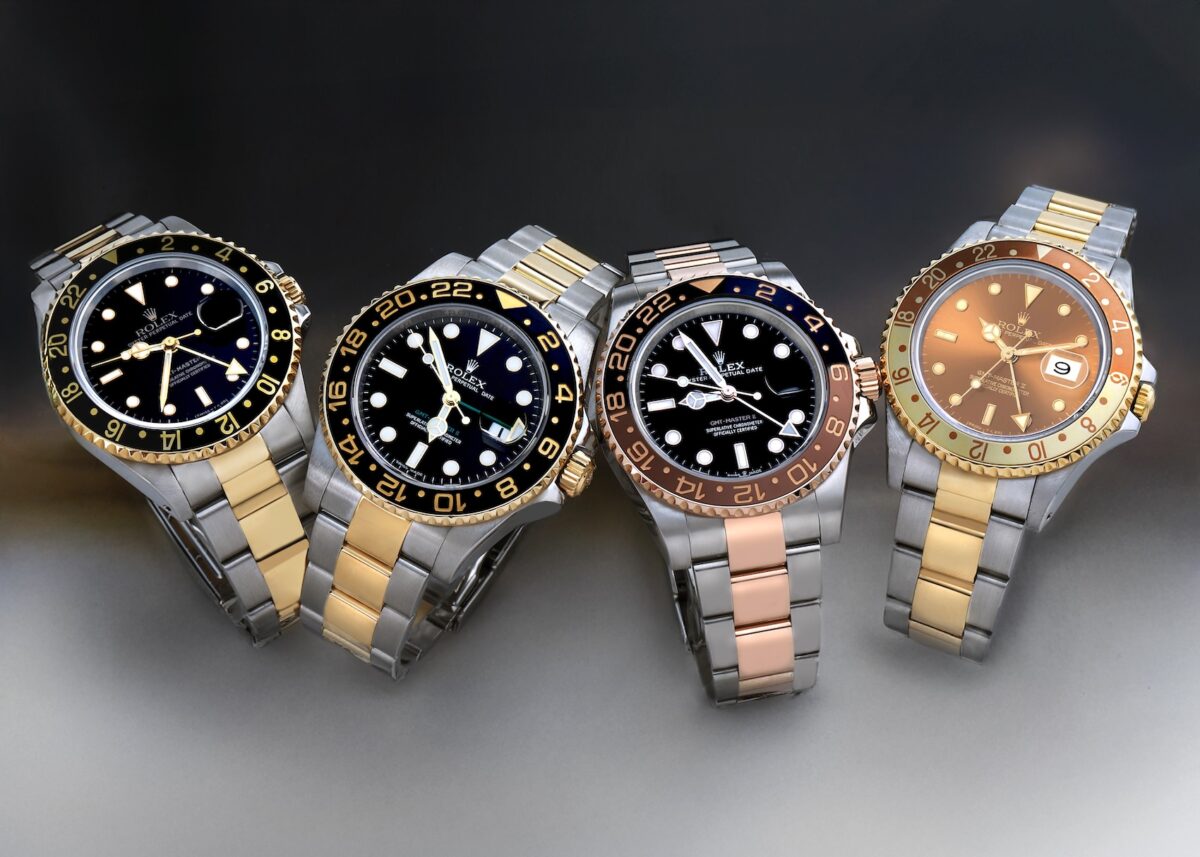
Rolex’s patented marriage of Oystersteel and 18k gold—officially dubbed “Rolesor”—has been a pillar of the brand’s catalog since it was trademarked in 1933. However, when applied to the legendary GMT-Master II, the two-tone configuration transcends its dressy origins to become something entirely different: a statement of global travel, high-end utility, and unapologetic luxury. While stainless…
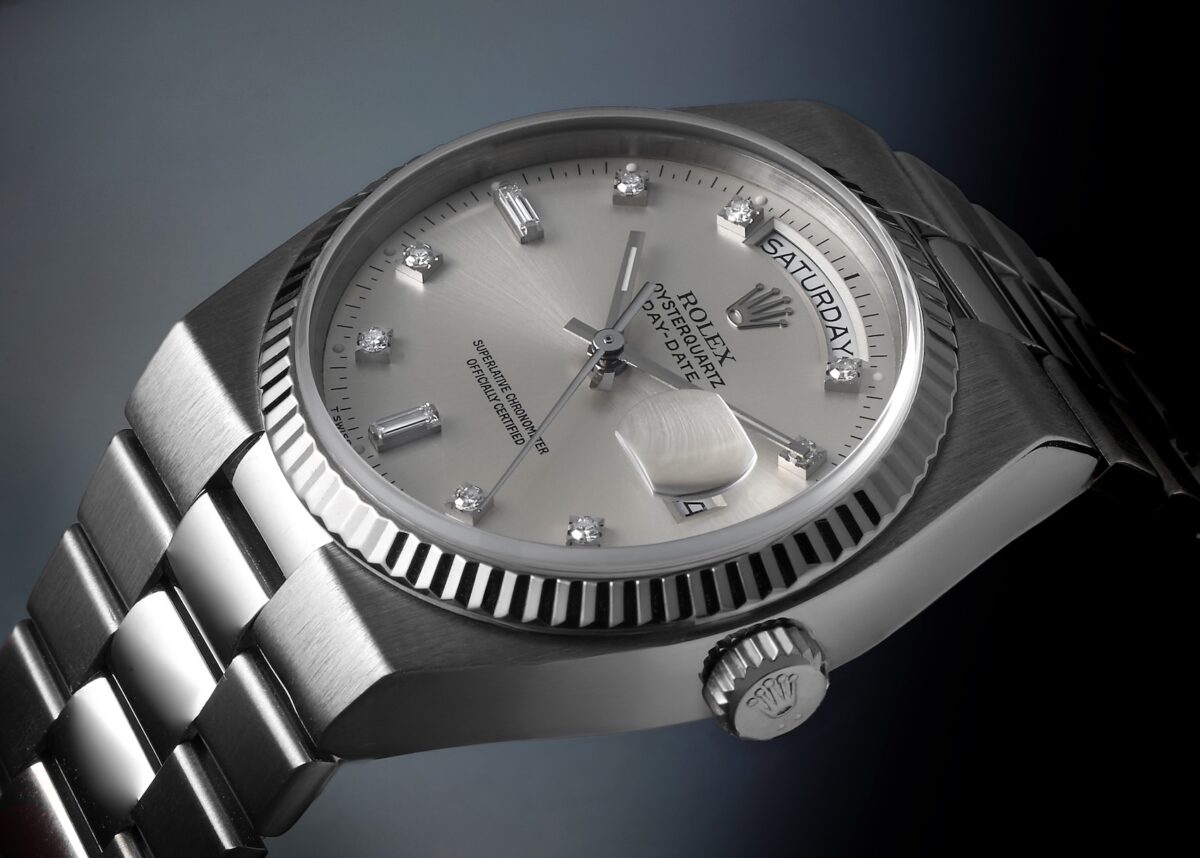
Watch collectors throw the term “grail” around a lot these days. Usually, it just means a watch has a long waitlist or a steep secondary market markup. Real grail status is much harder to earn. A watch has to be exceptionally rare, historically important, and completely break the mold of what you expect from the…
Contact Us
Have a question or something to share? Send us a message and our team will be happy to help.