
When it comes to luxury watches, Rolex has unparalleled popularity. In fact, it’s also the world’s most valuable watch brand according to global reports. However, with its status and great demand comes a vigorous counterfeit market — therefore one can easily be duped into buying a fake Rolex watch.
Watches with too-good-to-be-true prices can be spotted right away, but more sophisticated counterfeits can be more challenging to identify. Remember, a Rolex is made to the highest standards – if even a minute detail comes across as sub-par, you can be certain that it’s not the real deal.
Below, we’ll go through the hallmarks that a true Rolex possesses, to help you spot a fake Rolex, and ensure that you’re getting a genuine Rolex timepiece.
How to Spot a Fake Rolex: Quick Answer
Spotting a fake Rolex comes down to knowing the factory standards. You have to inspect everything from the seller’s track record to the serial numbers, dial printing, movement, and materials. Because Rolex uses dense, high-grade metals, a genuine watch always has a distinct, heavy feel in your hand. Under a loupe, you should see sharp engravings, clean dial text, and precise finishing. Counterfeits get more sophisticated every year, so knowing the exact specifications of your model is your best defense.
- Buy the seller: Stick to vetted watch specialists who provide an authenticity guarantee.
- Take a look at the engravings: Model numbers and serial numbers are deeply etched in the metal. Usually counterfeiters acid etch them, which leaves a faint sandy texture.
- Check the dial: Grab a loupe to check the text—it must be razor-sharp. Look for aligned hour markers and hands that are free of dust, metal burrs, or messy luminous paint.
- Test the Cyclops lens: The bubble needs to magnify the date by 2.5x so it almost fills the window.
- Inspect the caseback: Standard models have solid casebacks with no engravings. Clear exhibition casebacks only appear on a few specific models, like the 1908 or the platinum Daytona.
- Check the hardware: Verify that the bracelet style, clasp code and metal type are those associated with the reference number you are assessing.
- Get it authenticated: If you own the watch and you think it might be a fake, have it inspected and authenticated by a professional watchmaker.
Real vs Fake Rolex Comparison Chart
This table gives you a quick way to compare factory-correct details against the telltale flaws found on fakes.
| Feature | Real Rolex | Fake Rolex Warning Sign |
|---|---|---|
| Seller | Reputable dealer with authentication process | Unknown seller, no warranty, vague history |
| Serial/model numbers | Deep, clean, precise engravings | Shallow, sandy, dotted, or misplaced numbers |
| Dial | Crisp fonts, even spacing, aligned markers | Smudged text, uneven spacing, misspellings |
| Cyclops lens | Strong date magnification on applicable models | Weak, flat, crooked, or hard-to-read date |
| Movement | Smooth mechanical sweep on most models | Obvious ticking or low-quality movement |
| Caseback | Usually solid and plain | Clear caseback or incorrect engravings |
| Bracelet/clasp | Correct style and high-quality finishing | Loose links, mismatched bracelet, poor clasp |
| Weight | Solid, substantial feel | Feels unusually light or flimsy |
Remember, a sophisticated replica might get a few of these details right. Never rely on just one check—look at the watch as a whole, and always get a professional opinion if you have any doubts.
1. Buy From a Reputable Rolex Dealer

Your biggest defense against a counterfeit watch isn’t your own eyesight—it’s who you buy it from. Long before you pull out a loupe or count the links, you have to vet the seller. Relying strictly on online photos is an easy way to get burned, as bad actors often list high-quality photos of a genuine Rolex only to ship a replica. Sometimes they just use studio lighting to mask bad components. You bypass this risk entirely by dealing with a real business that has a physical showroom, deep horological expertise, and a clear, ironclad return policy.
Look for a specialist team with strong customer reviews that opens up every single watch to verify the movement, rather than an anonymous marketplace seller. A reputable dealer won’t hide the watch’s past, either; they will explicitly tell you about any service history, aftermarket parts, or bracelet swaps. That transparent process is exactly what backs SwissWatchExpo’s authenticity guarantee. When a seller provides a real warranty and stands behind their internal inspection, you don’t have to stress about spotting fakes on your own.
2. Check the Overall Quality and Finish
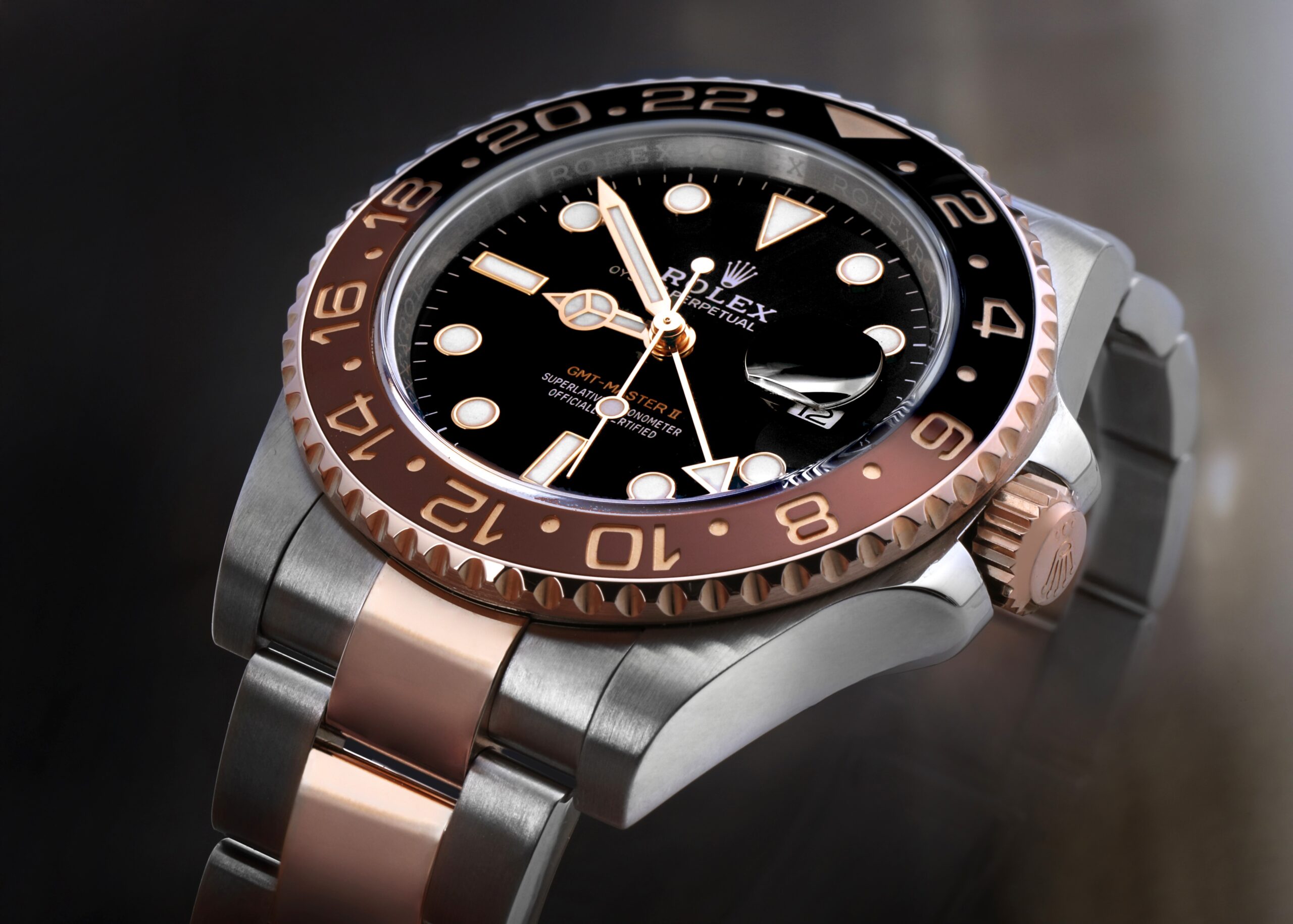
Rolex has high standards of watchmaking, so every edge and polished surface on their watches are clean and deliberate. When you examine a watch, pay close attention to the case, bezel, bracelet, clasp, winding crown, dial, and hands. Poor finishing is consistently one of the easiest ways to spot a replica. Some signs are easy to spot: jagged edges, irregular brushing or a bezel that doesn’t align with the dial markers. Counterfeiters tend to rush the manufacturing process, leaving behind sharp corners or sloppy transitions between the brushed and polished metals.
The bracelet and clasp often reveal a fake before the watch even goes on your wrist. Watch out for unusually loose links or a clasp mechanism that feels stiff, rough, or poorly machined on the inside. If you are looking at a vintage Rolex, you will naturally see signs of wear, but that wear should look consistent with the age of the piece. Scratches from decades of daily use are normal; poor factory machining is not. If any component looks cheap or unfinished, you are likely holding a counterfeit.
3. Inspect the Serial and Model Numbers
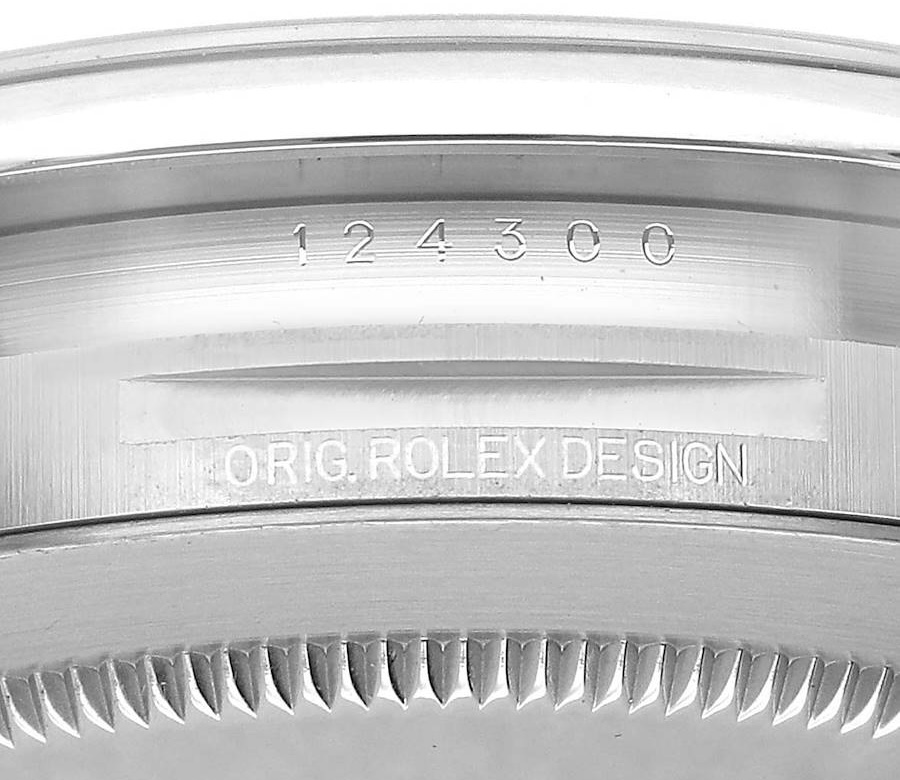
Think of the serial and model numbers as the watch’s fingerprint. They offer some of the most reliable clues when you need to authenticate a piece. Rolex cuts these digits deep into the solid metal, leaving sharp, clean lines that actually catch the light. Fake manufacturers usually take shortcuts here. They tend to acid-etch the numbers, which leaves behind a shallow, sandy, or dotted texture. If you notice blurry text or poorly aligned digits between the lugs, you are almost certainly looking at a counterfeit.
You also have to watch out for recycled digits. Replica factories frequently stamp the exact same serial number across hundreds of completely different fake watches. Always verify that the engraved number actually matches the specific model, metal type, dial, and bracelet configuration sitting in front of you. You can learn how to read these codes in our guide on Rolex serial numbers. Because you have to take the bracelet off to see these engravings, don’t try to remove the band yourself unless you have the proper spring bar tools. It is incredibly easy to scratch the case, so just take it to a professional watchmaker who can safely pull the bracelet off for you.
4. Look for Rolex Crown Markings and Brand Details
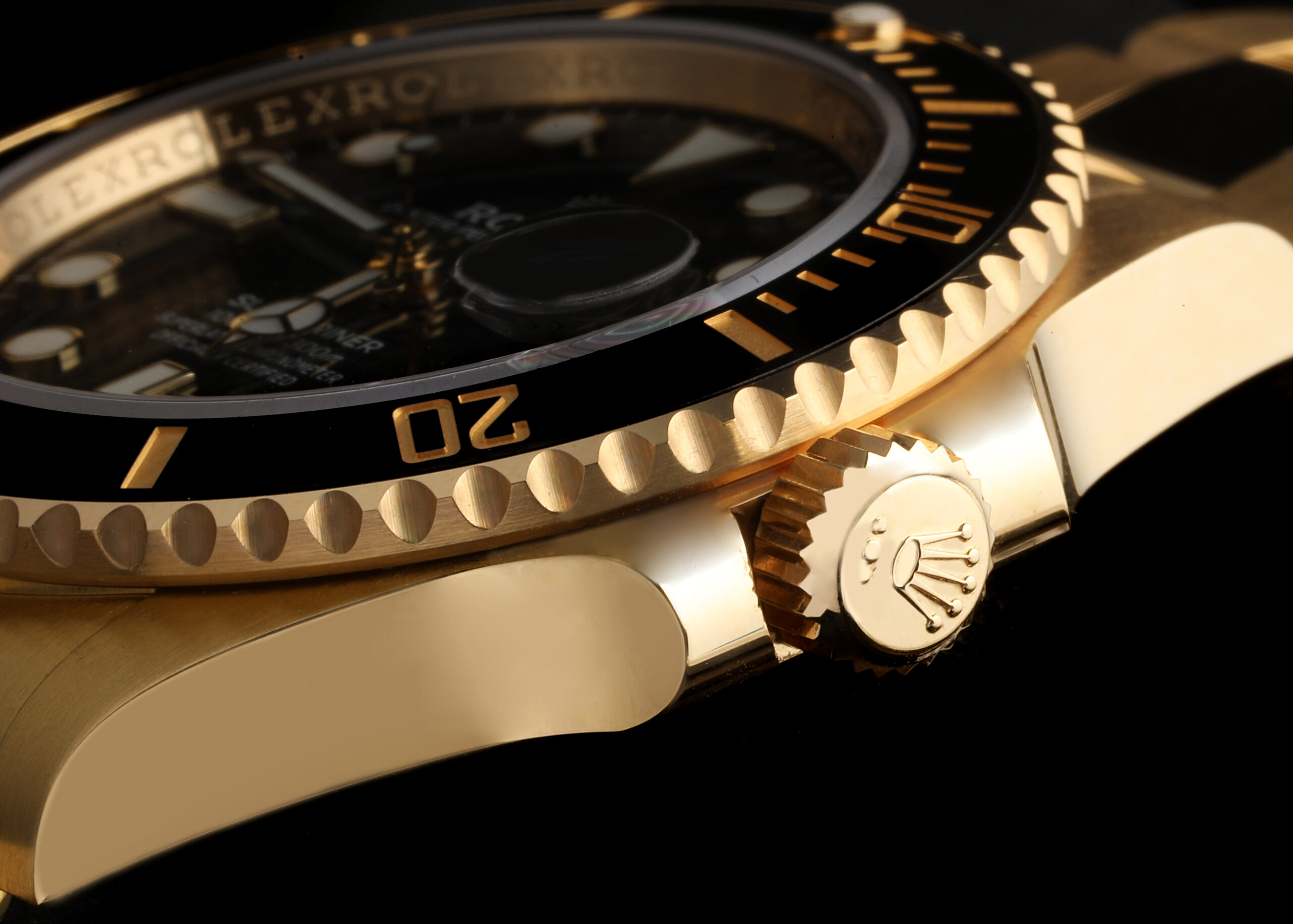
The Rolex coronet appears in several places across the watch, and each application has to meet strict factory standards. Beyond the physical winding crown on the side of the case, you need to inspect the applied metal logo on the dial and the printed brand text. On modern models, you also need to check the “ROLEX ROLEX ROLEX” rehaut engraving that rings the dial under the crystal. Every detail must be completely centered, razor-sharp, and flawlessly finished. Make sure you check these details against your specific reference number, since Rolex has updated its branding layout over the decades.
Take a close look at the winding crown. Right below the logo, you will see a combination of dots or a solid bar. These marks actually tell you the watch’s exact metal type and water resistance. You can easily translate them using our guide on Rolex crown markings. Counterfeiters almost always drop the ball on these micro-details. Grab your loupe and check the logos—replicas typically feature blurry, crooked, or awkwardly stamped coronets. When you inspect the rehaut, check the alignment. On a fake, the engraved letters rarely line up perfectly with the minute markers on the dial. Finally, look closely at the metal coronet at 12 o’clock; if it has rough, jagged edges, the watch is a fake.
5. Check the Movement and Second Hand
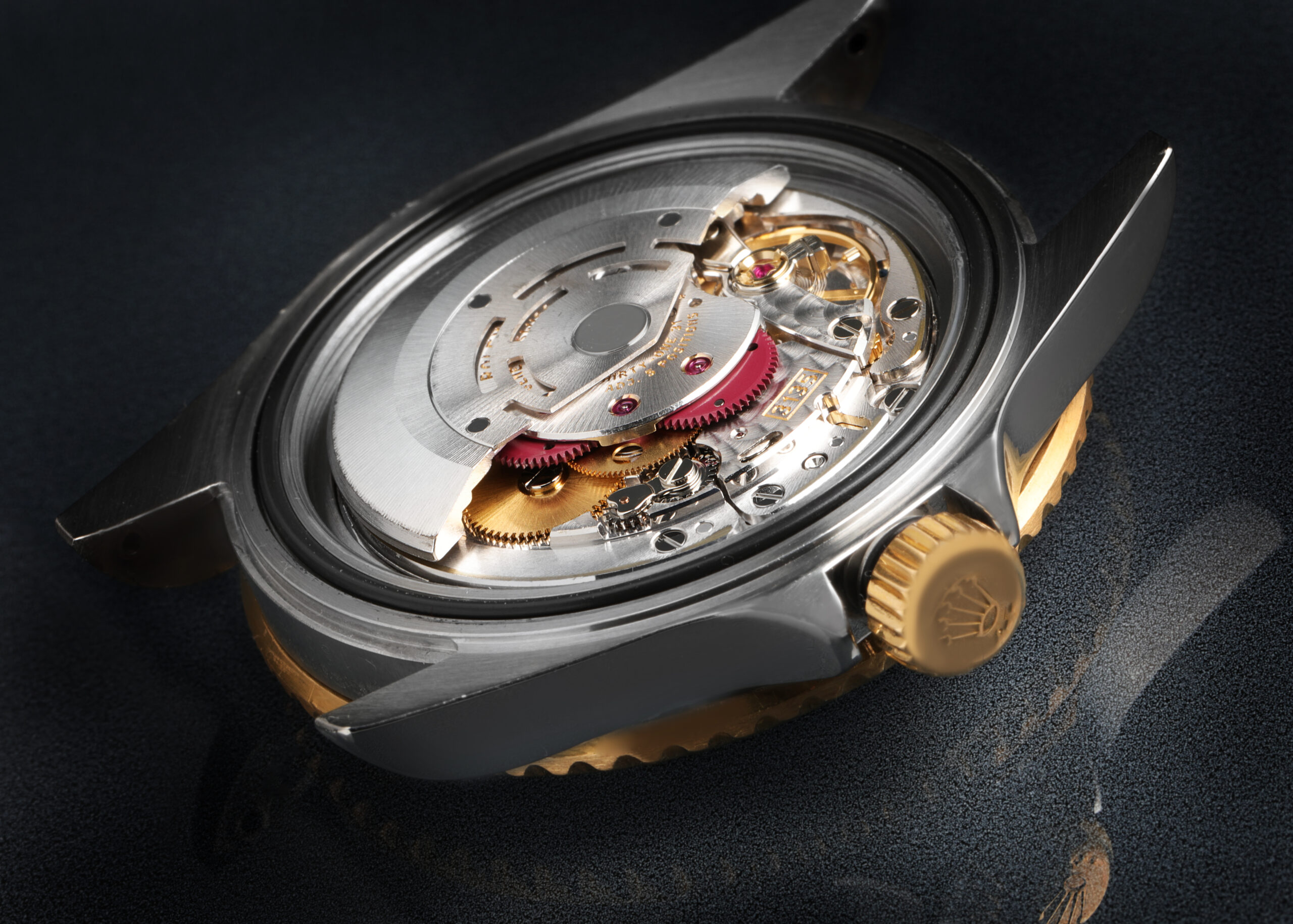
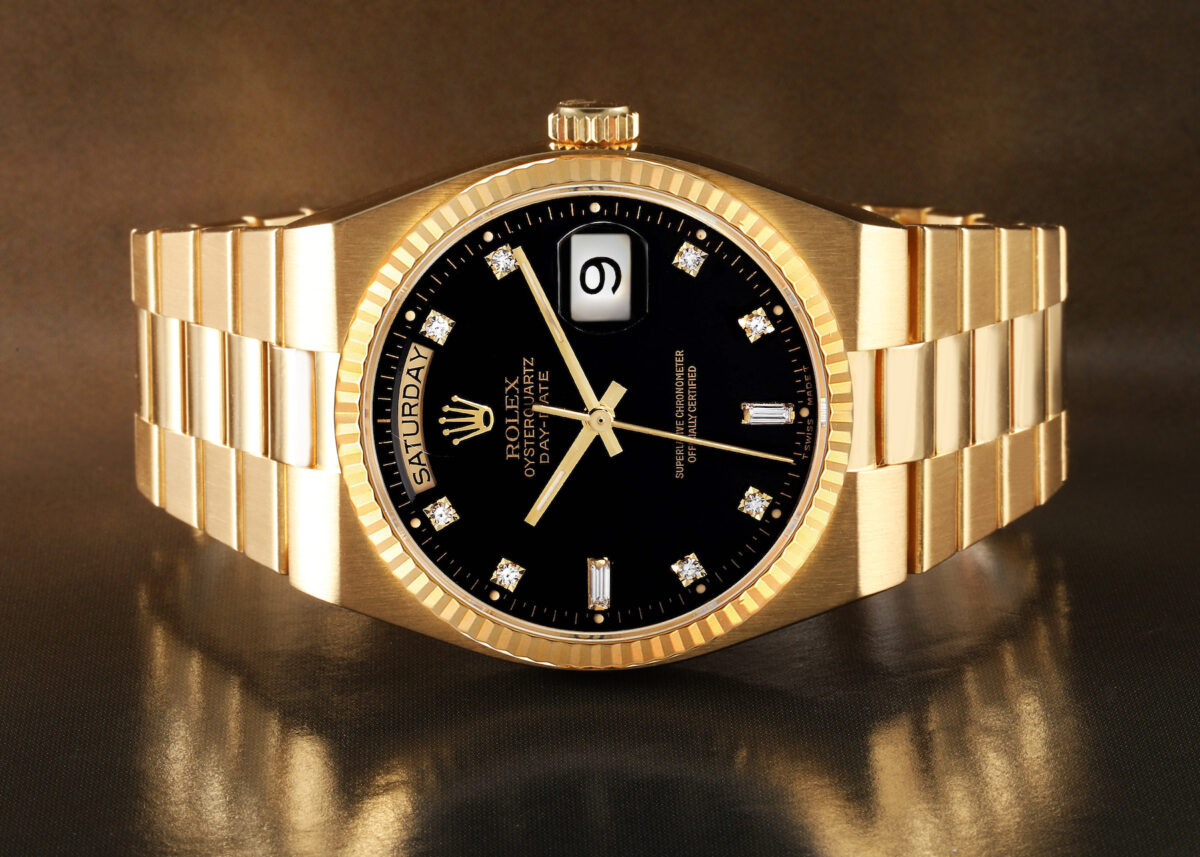
The vast majority of Rolex watches run on mechanical calibers. Because of how these movements operate, the seconds hand on a modern Rolex glides across the dial in a smooth, continuous sweep instead of jerking forward once per second. There is one historical exception: vintage Oysterquartz models from the 1970s and 1980s run on battery power and feature a visible ticking motion. Otherwise, if a modern Submariner or Datejust ticks loudly like a standard wall clock, it is definitely a replica. For a deeper breakdown of these mechanics, check our guide on Rolex hand movement.
Keep in mind that checking the sweep is only a surface-level test. Modern counterfeiters frequently use mechanical “clone” movements that easily imitate this smooth motion. To truly confirm a watch is real, a professional has to look at the actual caliber inside. Fake movements immediately reveal sloppy finishing, mismatched metals, or cheap glued-on parts when placed under a loupe. Never try to unscrew the caseback yourself if you lack the specific tools and training, as one slip will permanently gouge the case. Always hand the watch over to a qualified watchmaker or trusted dealer for a full internal inspection.
6. Review the Dial, Hands, and Hour Markers
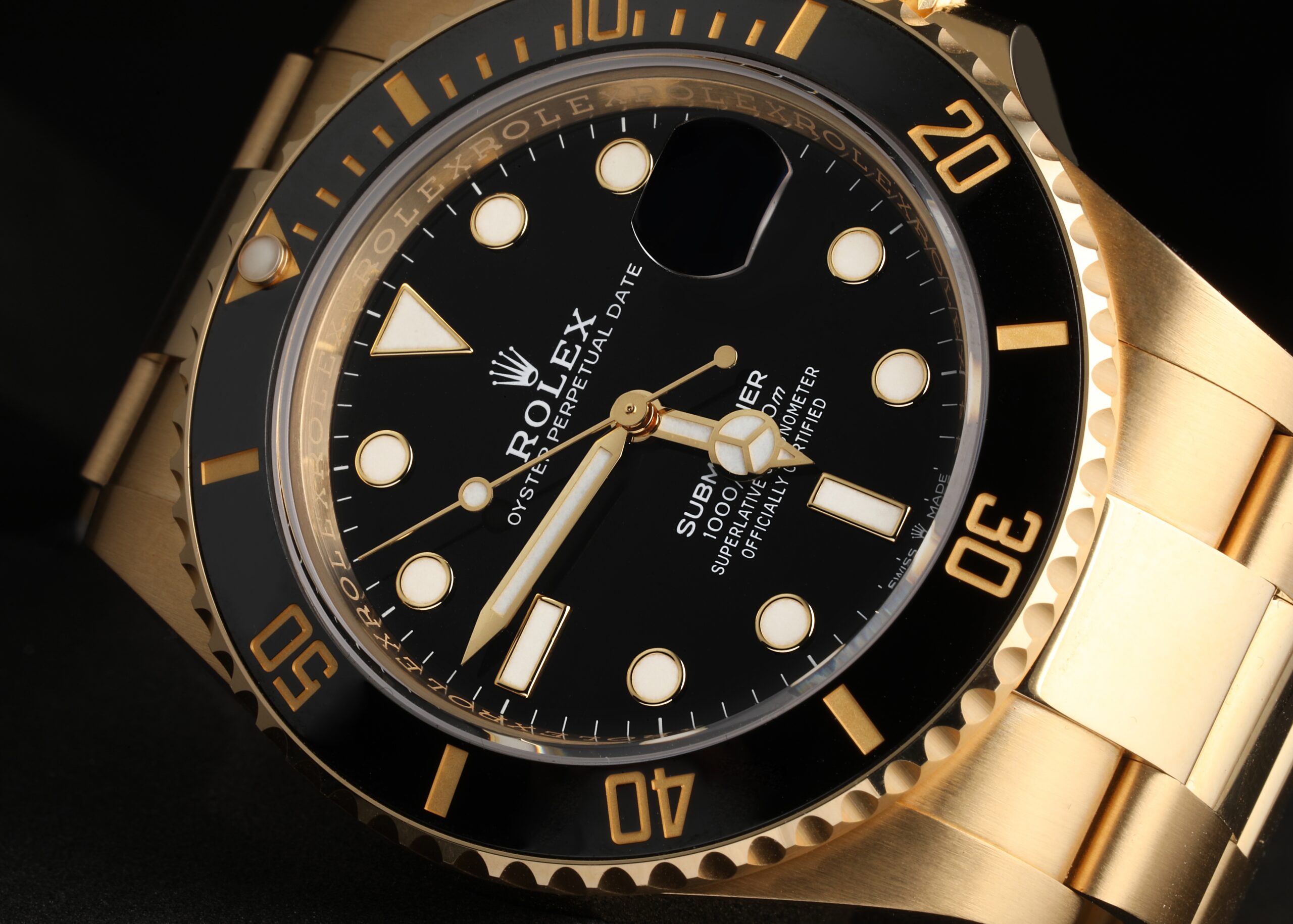
The dial is often the easiest place to catch a fake because there are so many tiny details to get right. Factory Rolex dials use precise printing methods that leave the text crisp and clean. Grab a loupe and really look at the ink. If you spot smudges, bleeding edges, or awkward spacing between the letters, you are likely looking at a replica or an aftermarket redial. Don’t just glance over the text—actually read the words, as cheaper counterfeits still occasionally make basic spelling mistakes.
After checking the printing, inspect the metal hardware. Every hour marker needs to sit perfectly straight and flush against the dial. The hands must have smooth, clean edges and be the correct length for that specific model. Crooked indices or messy, uneven luminous paint are instant warning signs. Because Rolex frequently tweaks dial layouts even within the same reference family, your safest approach is to compare the watch directly against verified authentic examples or official photos of that exact reference number.
7. Check the Cyclops Lens and Date Window
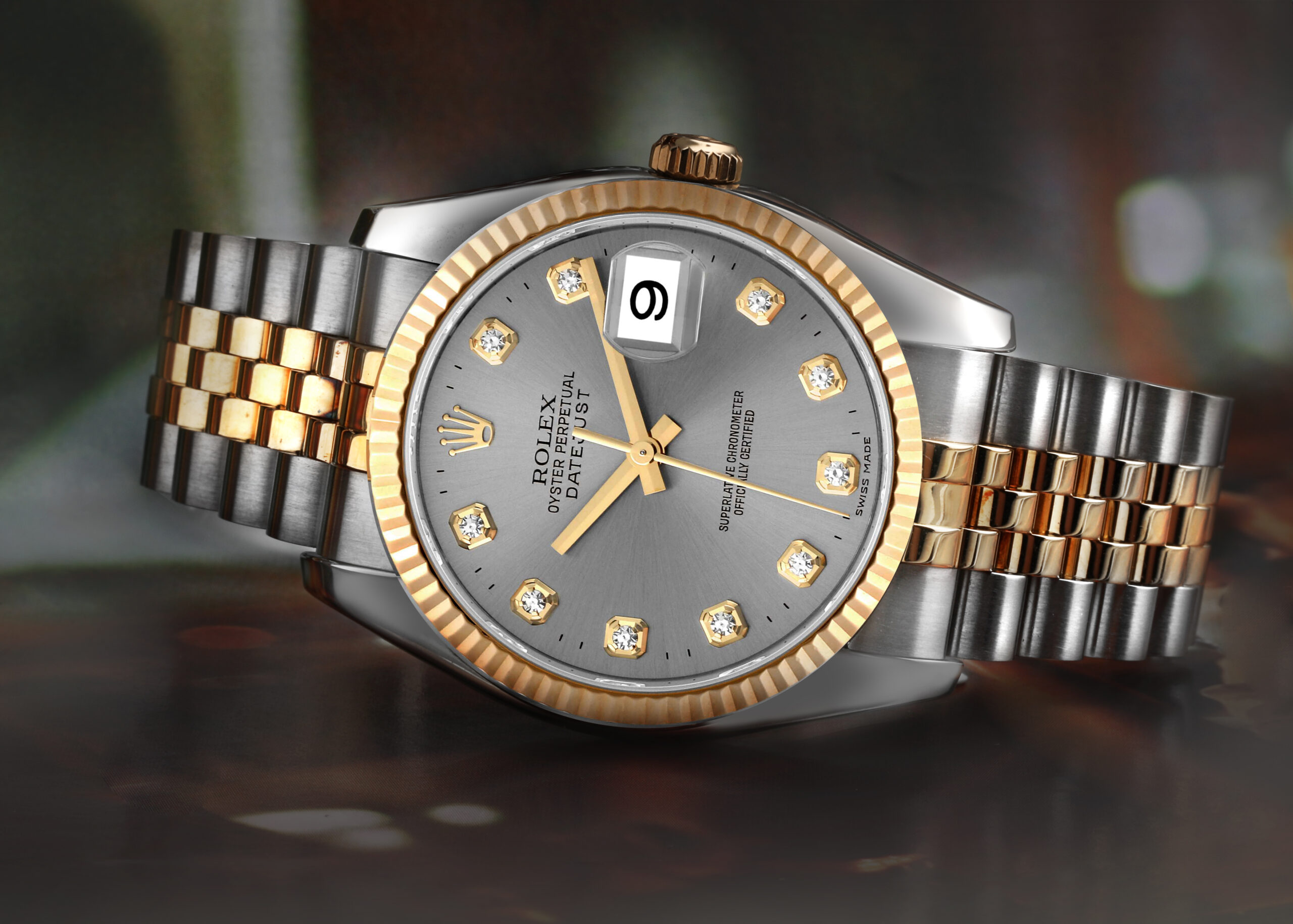
On a Rolex with a date, there is usually a magnifying bubble right above the three o’clock window. This Rolex cyclops lens serves as a classic authentication checkpoint. On a real piece, the lens sits perfectly centered over the date and provides a heavy 2.5x magnification. The number should fill almost the entire window and be incredibly easy to read from a normal viewing distance. You will also feel a distinct, smooth bump if you slide your finger across the crystal.
Replica manufacturers constantly struggle to get this detail right. The most common warning signs are weak magnification, crooked alignment, or a lens that sits noticeably flat. If the date looks tiny or distorted through the bubble, you are likely looking at a fake. Just keep in mind that not every Rolex comes with a magnifier. Older Sea-Dwellers and the massive Deepsea dive watches skip this feature entirely to handle intense underwater pressure. Always double-check the factory specs for your exact reference number before you judge the crystal.
8. Check the Weight of the Watch
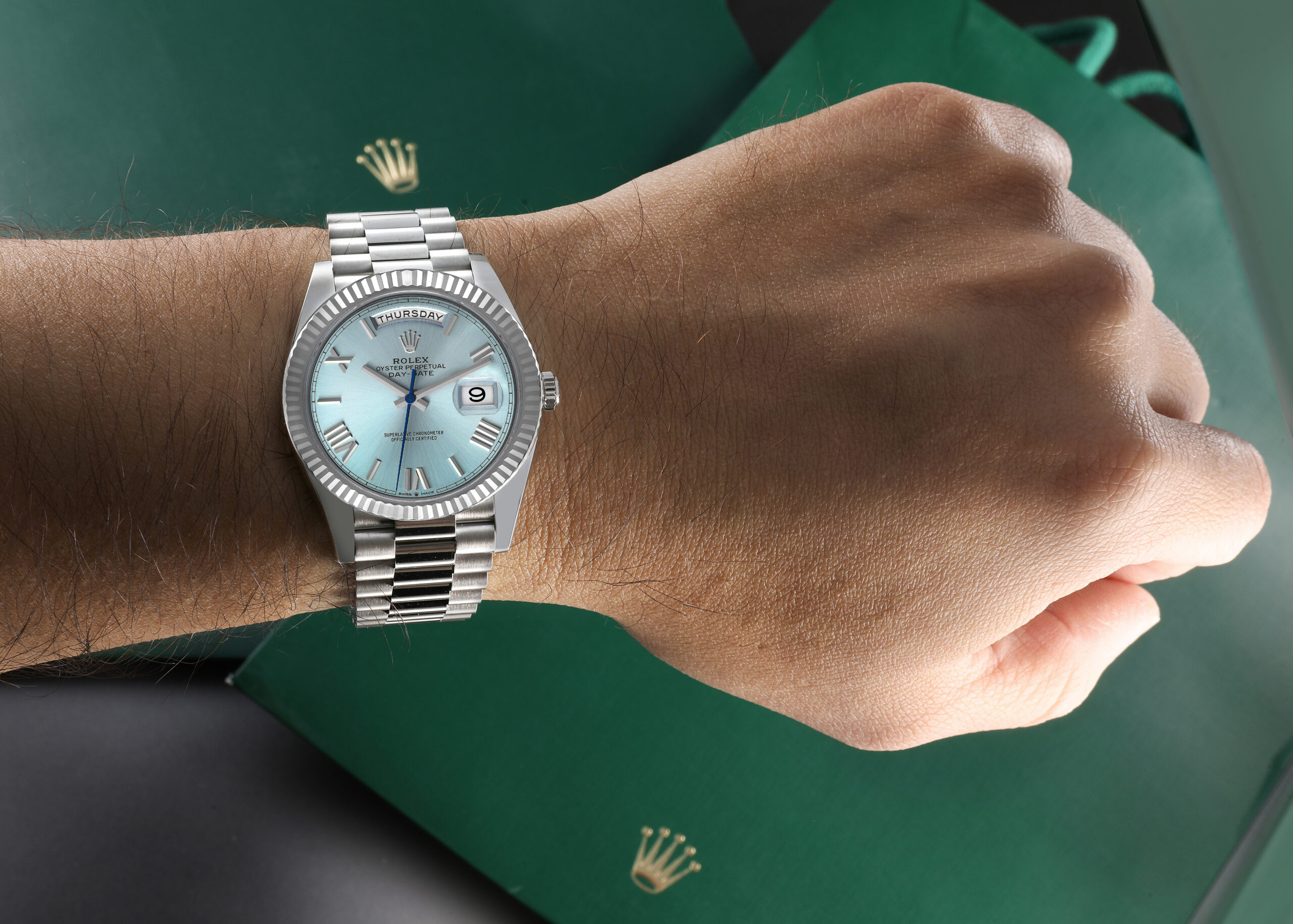
Rolex makes its watches out of dense, high grade metals and this gives them a distinctly solid and heavy feel to your hand. Counterfeiters often cut corners by using cheaper, lower quality alloys or plating. As a result, a counterfeit will often feel unusually light, hollow, or flimsy when you pick it up. If a modern watch feels unexpectedly weightless, you should immediately be suspicious.
You still need to be careful, though, because weight is not a perfect metric. The total weight of a watch changes depending on its case size, the specific bracelet, and the type of metal used. A vintage Rolex, for instance, will naturally feel much lighter than a modern piece because older bracelets were built with hollow center links. Since weight varies so much across different eras and models, you should treat it as a helpful clue rather than a final authentication check.
9. Review the Caseback
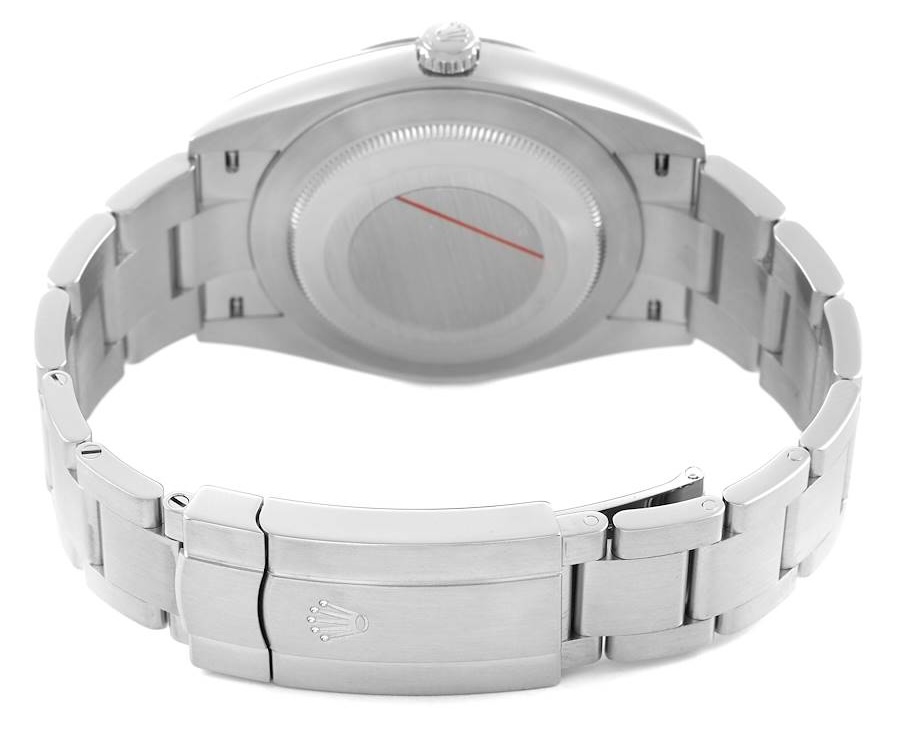
Flipping a watch over can give you immediate answers about its authenticity. Rolex almost always uses plain, solid metal casebacks with no markings at all. If you see a clear glass window or bold words engraved on the back, you should be instantly suspicious. While a few rare models break this rule, checking the caseback design against your specific reference number is an essential step.
Clear Casebacks
For decades, Rolex avoided the industry trend of using transparent sapphire casebacks to show off movements. Because of this, finding a clear window on a standard model like a Datejust or Submariner is a dead giveaway for a fake or an aftermarket modification.
That said, don’t automatically assume a watch is counterfeit without checking the reference first. Rolex did make a few rare vintage exhibition pieces, and they recently added clear casebacks to select modern releases like the Perpetual 1908 and the platinum Daytona. Always look up the exact model to see if a see-through back belongs there.
Caseback Engravings
Heavy exterior detailing is incredibly rare on a genuine Rolex. Most factory casebacks don’t feature brand logos, images, or model names stamped into the metal. If you turn the watch over and see an oversized crest or a model name deeply etched across the back, it’s a massive warning sign.
Just remember that specific exceptions do exist, such as military-issued models, certain vintage references, and Sea-Dweller dive watches. You might also find personalized initials or dates left by a previous owner, which look very different from messy replica factory stamping. Always check the exact model specs to see what is correct.
10. Look for the Micro-Etched Rolex Crown
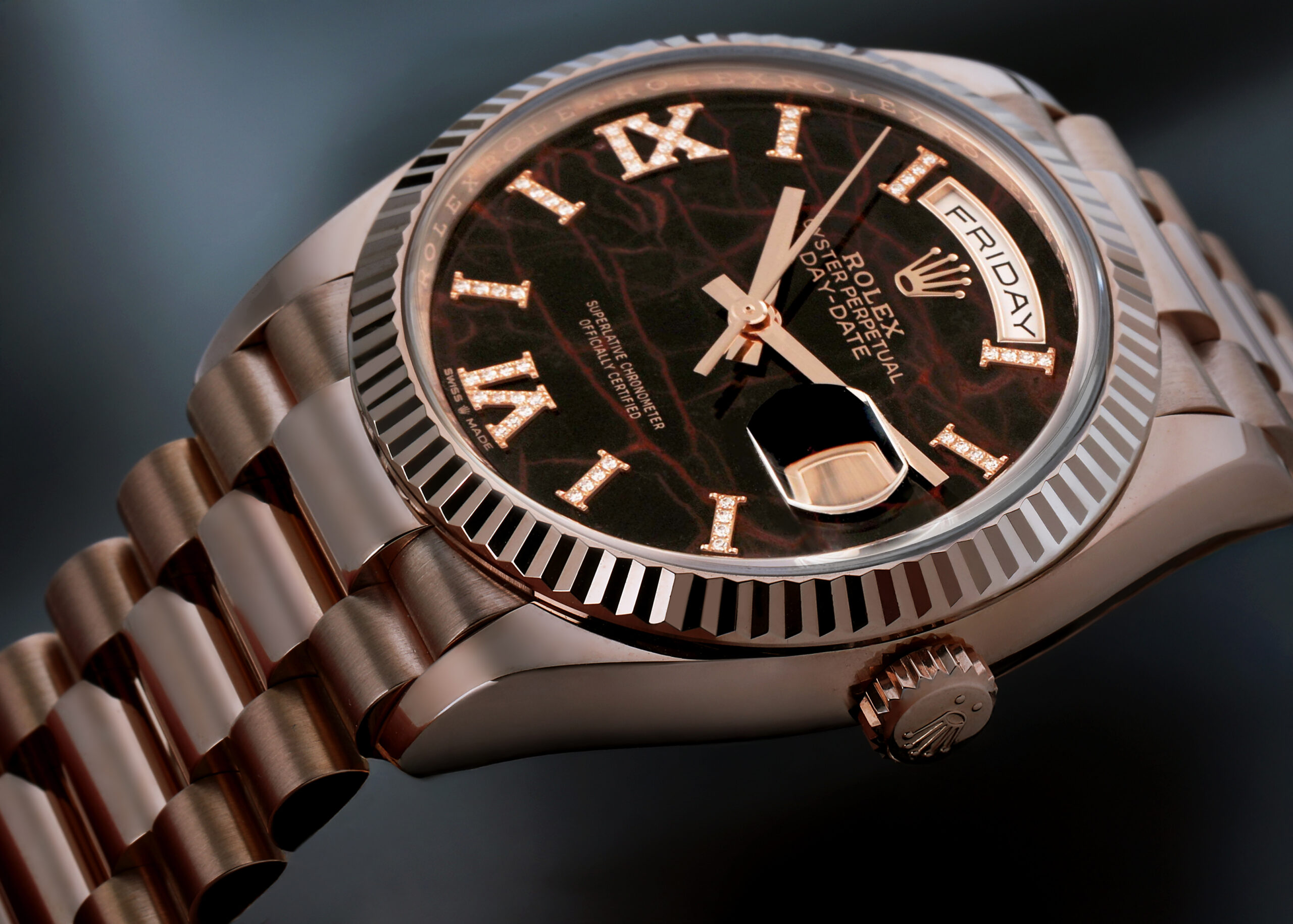
In the early 2000s, Rolex began laser-etching a tiny coronet directly into the sapphire crystal, right above the 6 o’clock marker. This micro-etching is incredibly small and intentionally hard to spot. To see it clearly, you usually need to angle the crystal under a bright light or look closely with a jeweler’s loupe.
Replica factories try to copy this detail, but they rarely get it right. On a fake, the etched crown often looks noticeably oversized, cloudy, or awkwardly shaped. Sometimes it sits far too high above the minute track. Keep in mind that a missing crown does not automatically mean the watch is a counterfeit. Because Rolex did not introduce this security feature until around 2002, older vintage models simply will not have it. Always check your specific watch’s production year and model specifications to confirm whether you should expect to see this etching in the first place.
11. Confirm the Materials Used
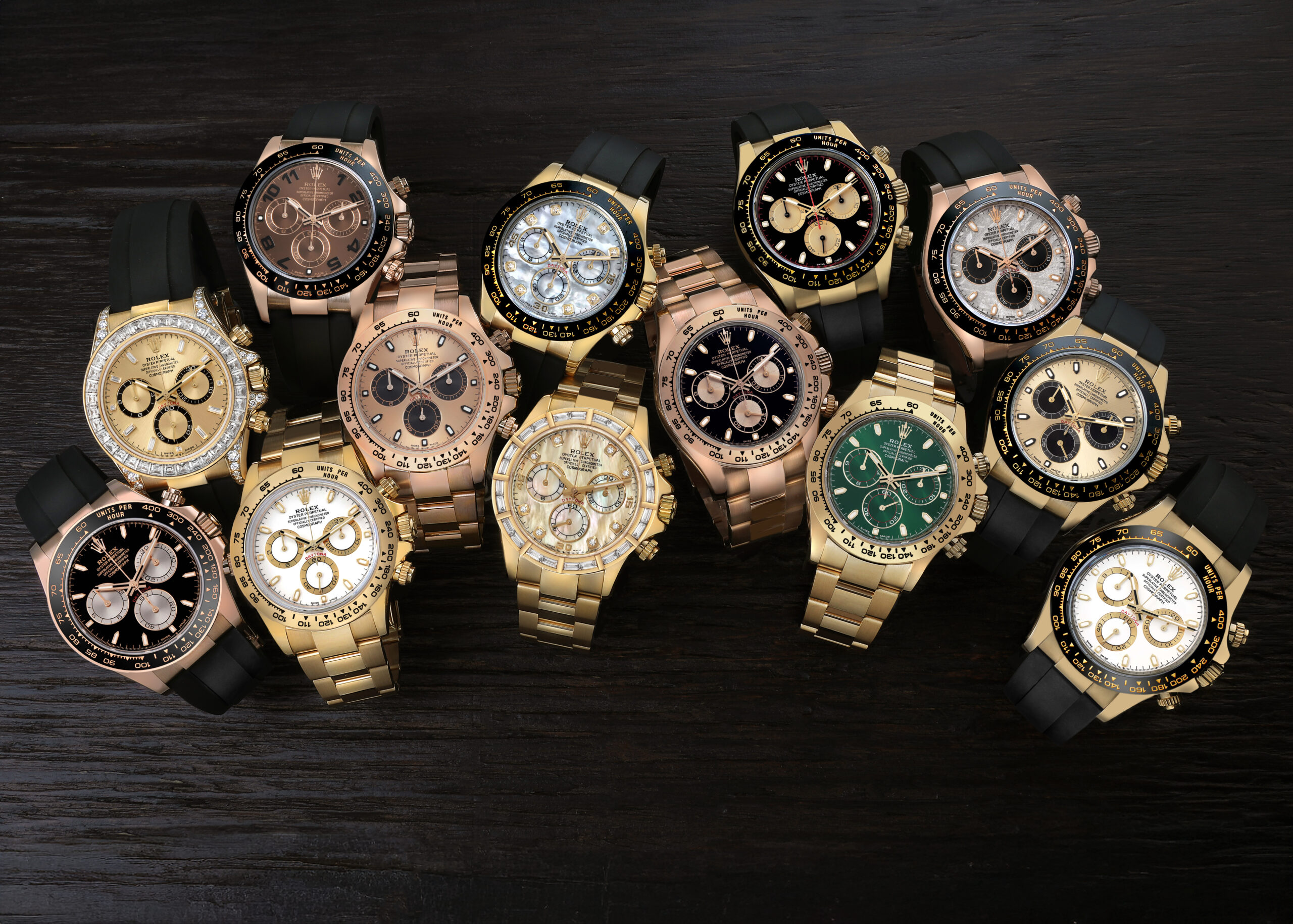
Rolex produces almost all of its materials in-house. Because of this, every component from the case metal to the crystal undergoes rigorous quality control. Counterfeiters just don’t have the budget to copy these exact proprietary blends. If you know exactly what materials belong on a specific reference, you can spot a cheap replica almost immediately.
Rolex Metals
Scammers save money wherever they can, which usually means swapping out solid gold for thin plating or using lower-grade steel alloys. A genuine watch will always have a specific, high-quality finish that perfectly matches its factory specifications. Always confirm that the metal type you are looking at is exactly what belongs on that specific reference number. To get familiar with what Rolex actually uses, check out our Rolex watch metals breakdown. Keep an eye out for these proprietary materials:
- Oystersteel (904L stainless steel)
- 18k yellow, white, and Everose gold
- 950 platinum
- RLX titanium
- Rolesor (two-tone steel and gold)
- Rolesium (steel and platinum)
Rolex Bezels and Ceramic Inserts
The bezel is a major focal point, making it a common trap for fake manufacturers. Whether you are looking at an older aluminum insert or a modern Cerachrom ceramic bezel, the material, color combination, and numeral fonts must exactly match the original model. Counterfeiters often struggle to get ceramic colors just right, leaving you with shades that look slightly washed out or overly bright. You should also check the numerals carefully. If the engraved numbers look shallow, are painted sloppily, or feature rough finishing inside the grooves, the insert is likely a cheap replica.
Rolex Sapphire Crystal
For decades now, Rolex has used highly scratch-resistant synthetic sapphire for its watch crystals. While older vintage models used acrylic plexiglass, a modern piece should have a perfectly clear, incredibly hard sapphire top. If you inspect a modern watch and the crystal looks cloudy, heavily scratched, or feels like cheap glass, that is an immediate warning sign. You also want to check how the crystal sits on the case. A poorly fitted, awkwardly shaped, or chipped crystal usually points to a cheap counterfeit build or an unauthorized aftermarket replacement.
Rolex Bracelets and Straps
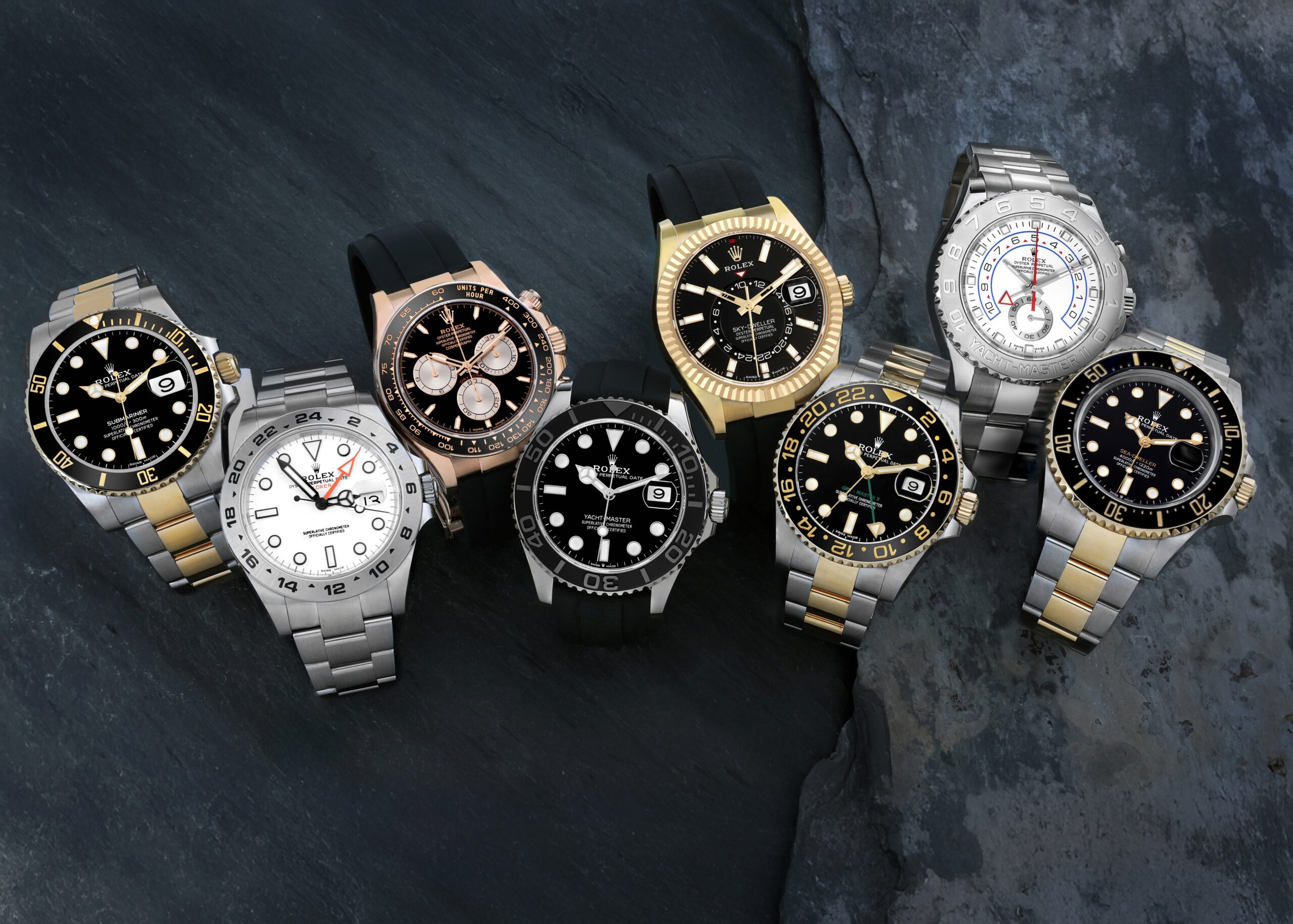
The band attached to the case can tell you just as much as the dial. You need to ensure the bracelet style perfectly matches the specific model, metal type, and era of the reference you are evaluating. If a watch has the wrong band, it doesn’t automatically mean the entire piece is fake. Sometimes previous owners swap bands, but a reputable seller will always disclose these aftermarket changes before you buy.
If the seller claims the bracelet is original, inspect it closely. Fake Rolex bands often feel overly stiff or incredibly flimsy, with loose links that rattle loudly. Pay special attention to where the band meets the case; incorrect end links that leave wide gaps are a major red flag. Finally, open and close the clasp a few times. A genuine clasp snaps shut with a crisp, secure action, whereas fakes often feel rough, jammed, or poorly machined. For a deeper dive into finding the right match, review our Rolex bracelet guide.
12. Understand Rolex Water Resistance
Not all Rolex watches share the same water resistance. The depth rating depends entirely on the specific watch you are looking at. A standard Oyster Perpetual is built for everyday wear, while specialized dive watches like the Rolex Submariner are engineered to handle intense depths. Counterfeiters rarely spend the money or time to properly seal their cases, meaning fakes will almost certainly fail to meet these factory depth ratings.
However, you should never try to water-test a watch at home just to check its authenticity. If you drop a suspected fake into a glass of water and it leaks, you have completely ruined the watch and lost any chance of returning it. Even if the watch is 100% genuine, exposing it to water without checking its history is risky. A real vintage Rolex or a watch with old, worn-out gaskets can easily fail a water test if it hasn’t been serviced recently. If you actually need to check the seals or verify the watch, hand it over to a professional. A qualified watchmaker has the proper equipment to run a safe, dry pressure test without risking any water damage to the movement.
Navigating Online Marketplaces and Private Sellers
Buying a watch from a private party or an online platform naturally carries more risk simply because you lack a built-in safety net. You can absolutely find legitimate pieces on eBay, Facebook Marketplace, Craigslist, and social media, but you have to stay sharp. When browsing private listings, keep an eye out for obvious warning signs. You should definitely walk away if the price seems way too good to be true, or if the listing uses stock photos instead of real pictures. Dishonest sellers usually try to rush the transaction, refuse to provide fresh close-up shots, or avoid questions about proof of ownership and returns.
If you decide to buy from an unverified source, never pay with a wire transfer or an app that offers zero buyer protection. Once you send cash through those methods, you have no way to recover it if a replica arrives in the mail. For total peace of mind, prioritize established dealers. A professional outfit takes all the guesswork out of the equation by offering transparent policies, clear photos of the actual watch, an in-house authentication guarantee, and a real warranty.
Why You Shouldn’t Buy a Fake Rolex
It is easy to see the appeal of a fake Rolex when you look at the steep discount on the price tag. But cutting corners on luxury comes with hidden costs. You have to know what serious tradeoffs are involved before you hand over your money for a replica.
- Cheap craftsmanship: No counterfeit can replicate the exclusive metals, complex movements, or the perfect finishing of the original. A fake will not stand the test of time, its resale value being zero.
- Terrible timekeeping and service: Expect a watch that constantly loses minutes or stops working entirely; and legitimate watchmakers don’t service fake watches.
- Data theft and scams: The replica market is rife with shady websites and unverified private sellers. Buying from them means handing your credit card details straight to fraudsters.
- Legal confiscation: Customs agents actively seize fake luxury goods during international travel. If you accidentally bring one into a certified dealer, they can legally confiscate it, too.
- Ruined credibility: The watch community is incredibly observant.Being caught with a counterfeit or trying to pass off a counterfeit immediately ruins your reputation with collectors, dealers and enthusiasts.
How SwissWatchExpo Authenticates Rolex Watches
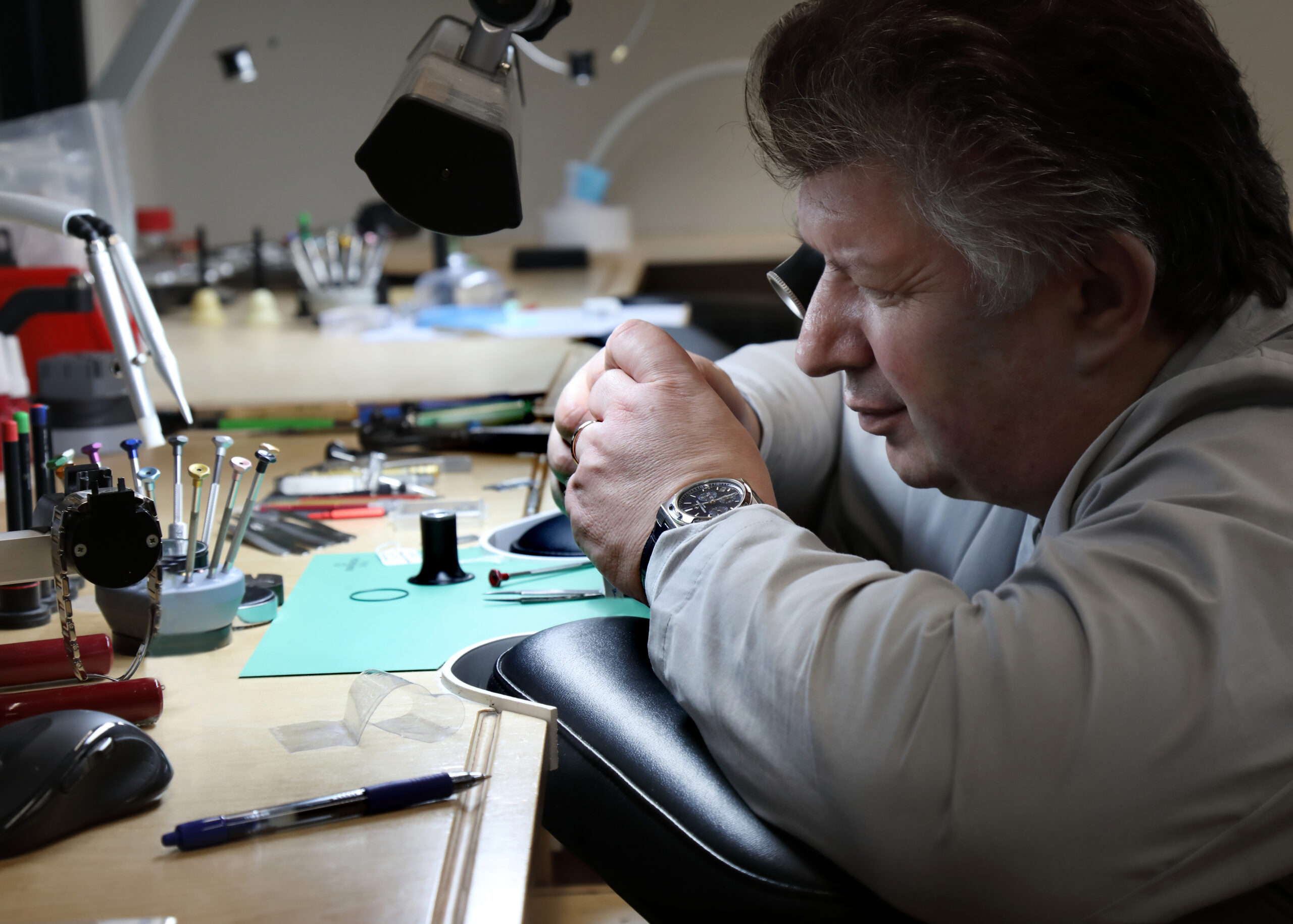
Handling thousands of pre-owned luxury watches over the years gives our team a serious edge in spotting exactly what belongs inside a Rolex and what doesn’t. At SwissWatchExpo, we rely on that deep, hands-on experience every single day. Before a watch ever makes it onto our website, our in-house experts put it through a strict, multi-point inspection.
We go way beyond a quick exterior check. Our watchmakers scrutinize all the details, putting the dial, crystal, bracelet, and clasp under intense magnification. They also remove the caseback to verify the movement, cross-check the serial numbers, and gauge the actual wear and tear. If we notice a previous owner added an aftermarket part or tweaked the watch in any way, we write it right into the listing so you know exactly what you are buying.
You shouldn’t have to hold your breath waiting to see what shows up in the mail. Thanks to this strict vetting process, we confidently back every watch with SwissWatchExpo’s authenticity guarantee.
If you need more details about a particular piece or have questions about how we vet our inventory, just reach out to our team before you buy.
How to Spot a Fake Rolex Watch: Final Thoughts
Catching a counterfeit rarely comes down to finding one glaring mistake. You really have to view the watch as a complete package. That means weighing the seller’s reputation right alongside the physical details. You need to verify the serial and model numbers, inspect the dial printing and Cyclops lens, and check the caseback, movement, bracelet, and materials all at once to get the real story.
If something doesn’t sit right, trust your gut. Professional authentication remains your absolute safest bet whenever you feel unsure, simply because a seasoned watchmaker catches the tiny discrepancies most people miss. Want to skip the stress of guessing entirely? Browse our fully vetted collection of pre-owned Rolex watches, or just reach out to our experts. We are always here to help point you in the right direction.
Fake Rolex FAQs
Is a fake Rolex any good?
No. Even top-tier replicas cut major corners when it comes to durability, movement reliability, and water resistance. They simply will not last a lifetime like a genuine piece. They hold zero resale value, and most professional watchmakers flat-out refuse to service them when they eventually break.
Is a fake Rolex legal to own?
It is usually not illegal to buy a counterfeit for personal use, but selling and distributing them is a crime. However, border security can legally seize and destroy replica watches. If you buy one overseas or travel internationally with it, customs might confiscate it on the spot.
What is the most commonly faked Rolex?
The Rolex Submariner easily takes the top spot. Because of its legendary status and incredibly high demand, replica factories churn out fake Submariners by the millions. The classic Datejust and the Daytona are also heavily counterfeited, so buyers always need to stay vigilant when shopping these specific models.
About SwissWatchExpo
Trust is everything in the secondary watch market. For decades, SwissWatchExpo has helped collectors safely buy, sell, and trade authentic, pre-owned luxury watches. With over 75,000 watches bought and sold, we have established our reputation on quality, transparency, and a customer-first buying experience.
Every watch is meticulously opened, inspected, authenticated and serviced by our team of in-house expert watchmakers before being offered for sale. We take out the guess work so you can buy your next watch with confidence. Learn more about us or see our authenticity guarantee.
Why Choose SwissWatchExpo
- ✓100% Owned Inventory. We have one of the largest inventories of pre-owned watches under one roof in North America – and we own every watch we sell. If a piece is on our site, it is in our showroom and ready to ship.
- ✓In-House, Swiss-Trained Watchmakers. Our own team of experts inspects the mechanics and verifies the origin of every single piece before it ever hits the sales floor.
- ✓Non-Commissioned Watch Consultants. We specialize entirely in watches, and our watch consultants aren’t paid based on what you spend. The focus is strictly on helping you find the right timepiece without the pressure.
- ✓Unmatched Transparency. We absolutely never use stock images. Our team photographs the exact watch you are buying, so you know exactly what the dial, case, and bracelet look like up close.
- ✓Better Pricing Through Efficiency. Everything happens under one roof at our Atlanta headquarters. Keeping our operations streamlined allows us to offer much sharper pricing to our buyers.